
Retirees can consider RMD options for giving
CFSLC News
Retirees can consider RMD options for giving
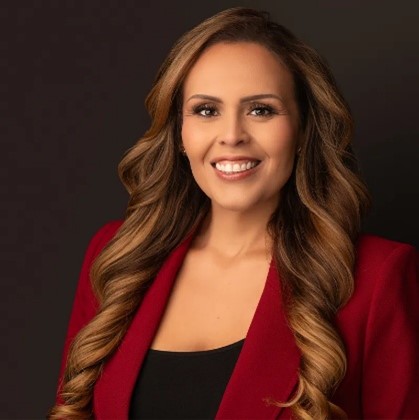
Many retirees are discovering a smart way to use their IRAs in philanthropic ways. We asked certified financial planner Roxanne Theodoropoulos with Capstone Wealth to explain how this strategy works.
“The IRS requires anyone with a certain type of retirement account to take a Required Minimum Distribution (RMD) each year once they reach age 73,” said Theodoropoulos. “Even if you don’t need the income for everyday expenses, you still must withdraw at least the minimum amount, based on several factors unique to you.”
The IRS requires you to take out a small, age-adjusted portion of your retirement account each year so the money eventually gets taxed, she said. The RMD is calculated by taking your December 31 IRA balance from last year and dividing it by a number from an IRS age chart to determine the minimum amount you must withdraw.
A wonderful way to meet this requirement, stay in compliance, and do good at the same time is to make a Qualified Charitable Distribution (QCD). QCDs allow individuals age 70½ or older to transfer funds directly from their IRA to a qualified public charity such as the Community Foundation of South Lake County.
Important details about QCDs:
- A QCD counts toward your RMD (even before you are required to take one at age 73) and is excluded from taxable income.
- The funds must go directly from the IRA custodian to the charity; withdrawing the money yourself and then donating it does not qualify.
- Eligible charities are 501(c)(3) public charities. QCDs cannot go to donor-advised funds, supporting organizations, or private foundations.
- For 2025, individuals may transfer up to $108,000 ($216,000 for couples if each spouse has an IRA).
To make a QCD to the Community Foundation of South Lake County, contact your IRA custodian and ask them to send a direct distribution. We’ll provide our tax ID and issue a written acknowledgment confirming the donation, as required by the IRS.
We encourage you to discuss any IRA distribution or QCD plans with your tax or financial advisor to ensure it fits your personal situation.
Provided for educational purposes only and is not intended as tax or legal advice.